
Turning 30 marks a crucial shift in women’s emotional, professional and biological needs. Your metabolism changes, bone density peaks, and hormonal fluctuations begin. Left unchecked, these shifts can increase the risk of weight gain, fatigue, PCOS, thyroid issues, infertility, and early signs of bone loss. As a certified dietitian, I’ve seen how the right foods can transform how women feel and age after 30.
Here's our science-supported list of foods that every woman should add after 30.
1. Leafy Greens: Iron, Folate & Magnesium Powerhouses
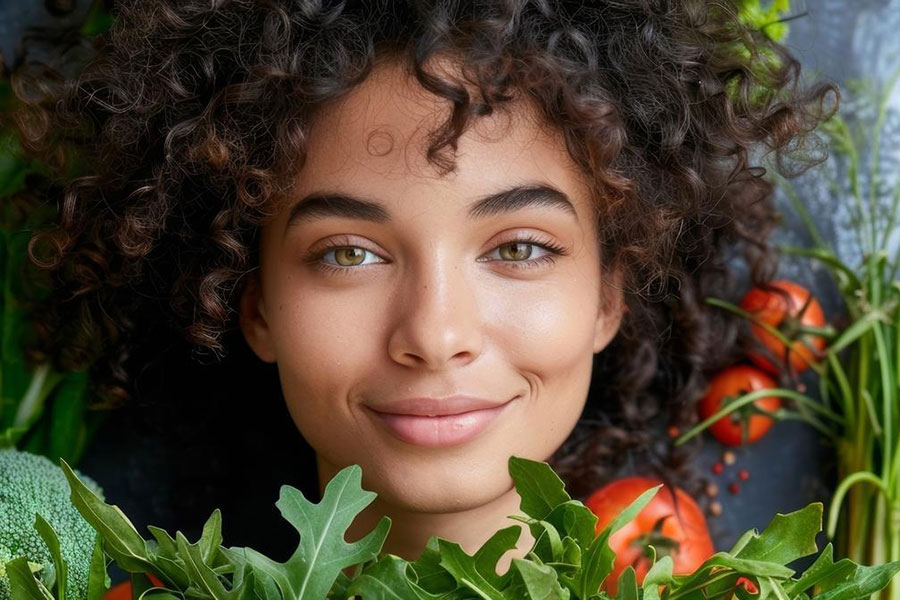
Dark green leafy greens such as spinach, amaranth (chaulai), and moringa leaves contain abundant non-heme iron to prevent iron-deficiency anemia — a very prevalent issue among menstruating women.
These greens are also great sources of folate for reproductive health and magnesium for improved sleep, PMS alleviation, and muscle relaxation.
Tip: Cook them with garlic or make into dals to enhance absorption and render them gut-friendly.
2. Dairy & Calcium-Fortified Alternatives: For Bone Density
Calcium absorption starts declining in your 30s, raising the risk of osteoporosis in the future. Daily consumption of:
- Low-fat milk or curd
- Paneer or tofu
- Fortified plant-based milks (almond/soy enriched with calcium & vitamin D
all helps maintain bone strength, nerve function, & muscle contraction.
Vitamin D (from sunlight or supplements) is crucial for calcium absorption — don’t overlook it!
3. Eggs: Hormonal Well-being & Brain Function
Eggs are a whole protein with choline, which is necessary for repairing cells and brain function. They’re also an excellent source of vitamin B12, which is crucial for energy metabolism and brain function — particularly vital for vegetarian women who might be deficient.
Add whole eggs 3–5 times per week unless otherwise instructed.
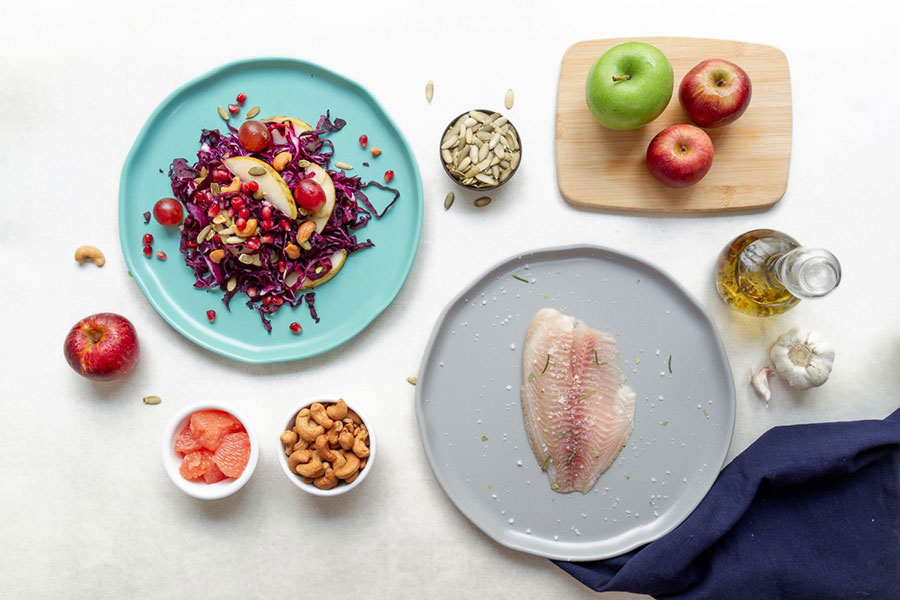
4. Healthy Fats: Hormone Balancers
Between the ages of 30 and beyond, most women begin to experience shifts in mood, skin quality, and menstrual cycles. Omega-3 fatty acids and healthy fats are enormous at balancing estrogen and quelling inflammation.
Add:
- Walnuts, flaxseeds, and chia seeds
- Fatty fish such as salmon or mackerel
- Avocados and cold-pressed oils (olive, mustard, coconut in moderation)
5. Antioxidant-Rich Fruits & Veggies: Cellular Defense
Oxidative stress is sped up in your 30s because of lifestyle, stress, and pollution. Beat it with colorful fruits and vegetables:
- Berries (blueberries, strawberries, amla) for skin and heart health
- Carrots and sweet potatoes for beta-carotene (vitamin A)
- Tomatoes and bell peppers for vitamin C and lycopene
These are anti-inflammatory, promote skin healing, and even lower the risk of breast and cervical cancers.
6. Whole Grains & Pulses: For Hormones, Energy & Weight Control
Refined carbohydrates lead to insulin surges, bloating, and energy dips. Replace them with:
- Brown rice, millets (ragi, bajra, jowar), and oats
- Whole wheat or multigrain roti
- Legumes and dals for fiber and plant protein
These regulate blood sugar, promote gut health, and enhance steady energy.
Your 30s Action Plan
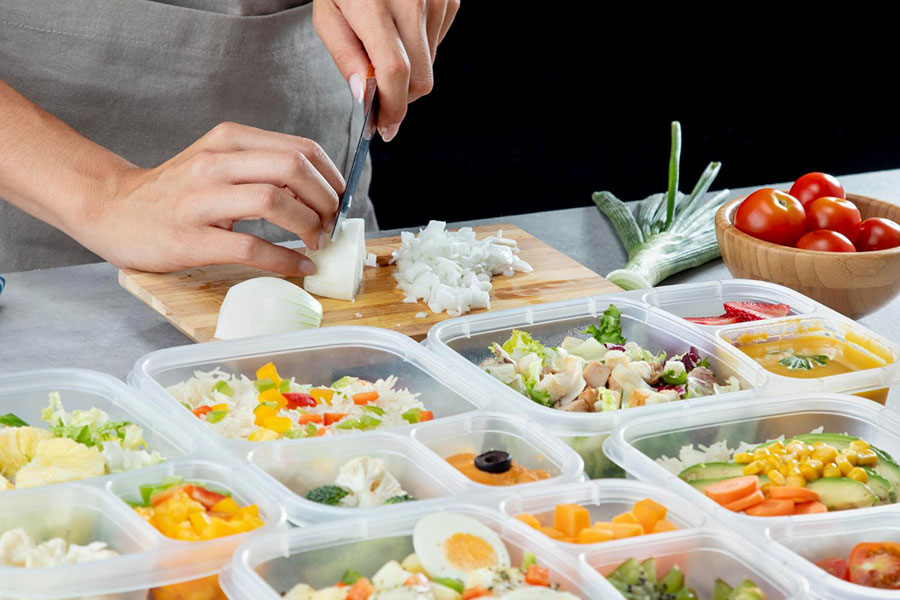
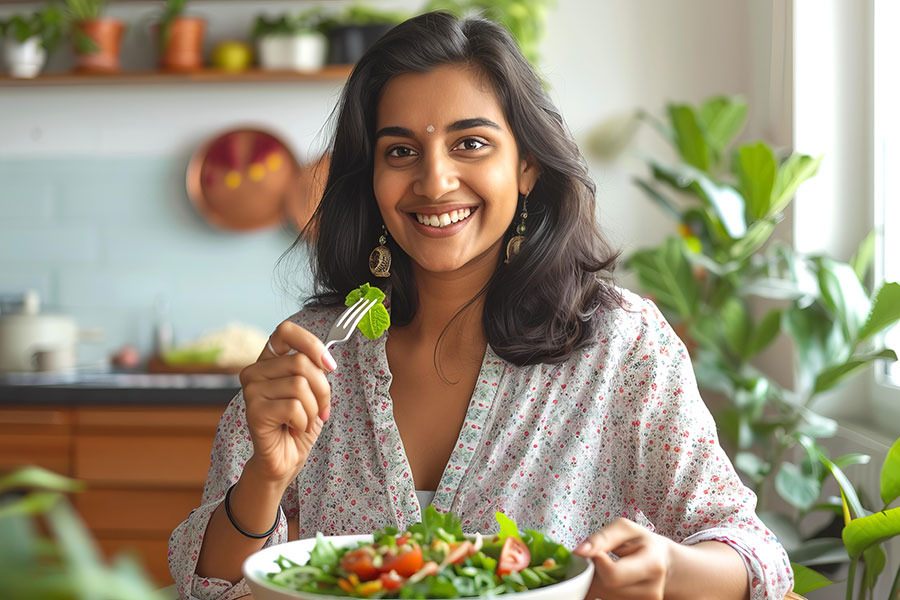
Prioritize whole foods over supplements. Opt for colorful plates, add protein to each meal, and hydrate. Small, consistent changes yield long-term effects.
Keep in mind that your 30s are all about laying the groundwork for a lifetime of health. What you eat today straightaway influences your energy, mood, and well-being in the coming decades.
Set to make a personalized nutrition plan that suits your busy life? Let’s come up with a doable eating approach that suits your individual needs and tastes.
Need a plan designed specifically for your age, hormones, and lifestyle?
Schedule a 1:1 consultation with our professional dietitians to create a healthy, sustainable routine for your 30s and beyond.